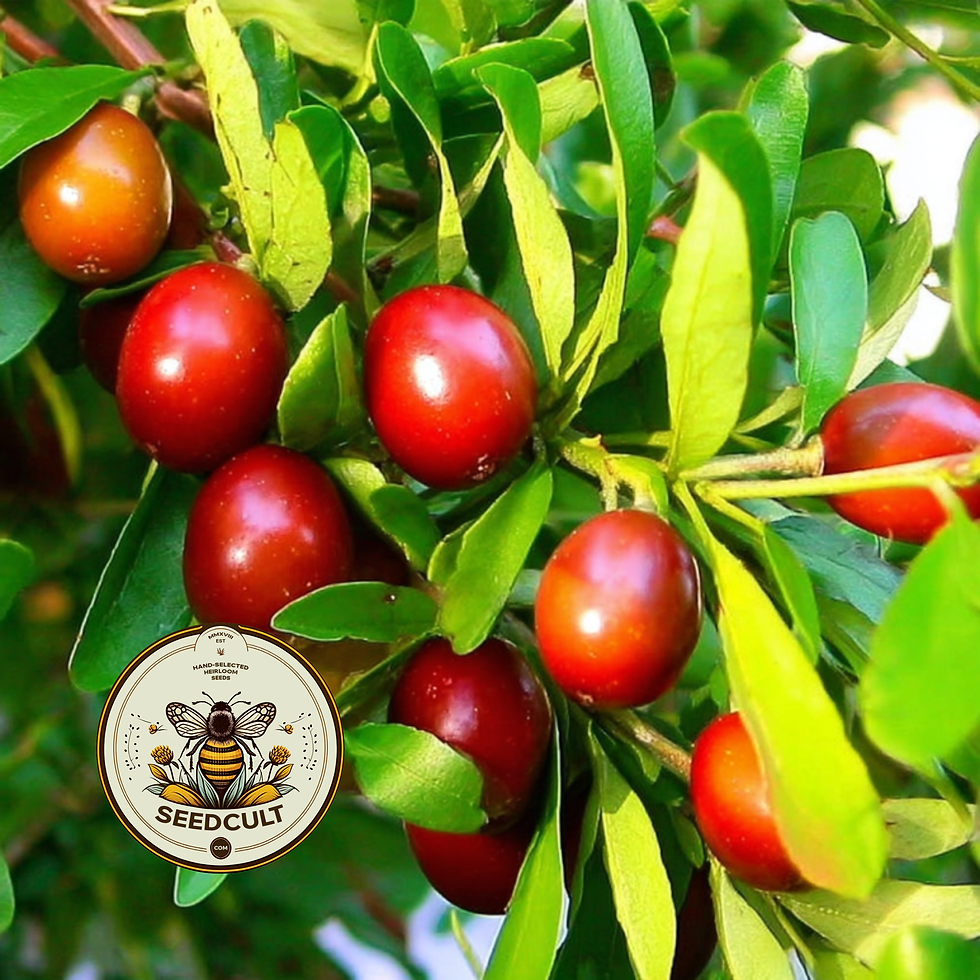
Cotton Candy Habanero (Capsicum chinense)
Bright, sweet, and visually captivating, the Cotton Candy Habanero is a rare chinense variety named for its soft pastel coloration and surprisingly sweet, fruity aroma. Pods ripen through delicate shades of peach, blush, and pale pink before deepening into warm golden tones, creating an almost candy-like appearance that stands out beautifully in the garden. Plants are vigorous, productive, and loaded with uniquely colored habanero-type pods that look as good as they taste.
These seeds are authentic Cotton Candy Habanero, harvested from verified, pesticide-free mother plants grown in small batches. Every seed is cleaned and dried carefully to maintain strong genetics, excellent viability, and the distinctive pastel tones this variety is known for.
Flavor Profile
Cotton Candy Habanero offers a bright, tropical flavor with an unusually sweet, fragrant chinense aroma. Expect notes of fruity citrus, soft floral highlights, and a playful sweetness before the heat rises. It is a distinctly smooth and flavorful habanero, perfect for growers who enjoy peppers with complex fruitiness as much as heat.
How This Variety Was Developed
The Cotton Candy Habanero was created through selective breeding that stabilized a pastel color mutation within a chinense line. Over successive generations, growers focused on preserving the candy-toned ripening pattern, the sweet aroma, and the classic habanero heat level.
A Note About Seed Count
Pastel chinense varieties often produce fewer mature seeds per pod. Each packet contains five premium seeds, ideal for collectors who love growing unique, colorful chili varieties.
Growing Notes
Start seeds indoors eight to twelve weeks before the last frost and keep the soil warm for consistent germination. Transplant outdoors once nights remain above 55°F. Cotton Candy Habanero thrives in full sun, producing its best color and fruit set in warm conditions. Grow in well-drained soil and maintain regular feeding for strong yields.
Height: 2 to 4 feet
Light: Full sun
Type: Annual in most climates; perennial in zones 9 to 13
Scoville units: 150,000 – 300,000 SHU
Seeds: Authentic, pesticide-free, small-batch grown
A beautifully sweet, pastel-toned chinense variety with excellent flavor and strong visual appeal, perfect for collectors who enjoy colorful habaneros with distinctive character.Use garden gypsum to add calcium to the soil in addition to vegetable fertilizer. Gypsum will provide calcium which is key to success with peppers, without raising the pH of the soil. We use organic chicken manure based fertilizer.
Do not plant peppers where you just previously planted tomatoes, eggplant or potatoes as this can make them more susceptible to disease as they are all from the same family. The pests that are attracted to these plants can remain in the soil for a while and build up and cause problems for future crops. They also use the same nutrients and can deplete the soil of what they need in particular if planted in the same spot. It’s always good as a general rule to add fresh soil and rotate all crops.
We combine shipping on all seed orders, you pay one flat fee for as many seeds as you would like for no additional shipping. Orders over $35 for any combination of items ship for free to the US
PLANTING INSTRUCTIONS:
Start the seeds in starter pots with a premium potting soil. Plant the seeds ¼ inch deep. Place in full sun. Keep soil moist but not wet. Seeds will sprout in 1-2 weeks. Once the seeds have sprouted, continue to keep soil moist but not wet and plant them where desired. Keep in full sun.
In colder climates, you can plant them in the ground and grow them as an annual or bring them indoors in winter or greenhouse kept. In warmer climates that do not freeze, you can grow these year round and they will live for several years. If you are right on the cusp and do get freezes of short duration, you can mulch heavily around the plants and cover the plants with fabric specifically designed for plants.
Use premium potting soil when re-potting or garden soil if planting in the ground. Fertilize with a vegetable fertilizer. One of the most important things you can do to ensure success of any pepper plants is to provide them with a source of calcium. This will not only yield larger healthier plants and peppers but will also provide disease resistance. You can use spent eggshells, but keep in mind that they take a while to break down. You can also use garden gypsum which is what I prefer because it provides calcium without affecting the ph of the soil since peppers prefer slightly acidic soil and other types of calcium will raise the ph. I use Espoma Organic Garden Gypsum. You can find it on Amazon or other retailers. It’s a little pricey but it will last you forever and you can use it on all peppers, sweet or hot as well as tomatoes.
Never plant peppers where you have had tomatoes, eggplant, or potatoes planted in the last 3 years. All of these plants are in the nightshade family and are susceptible to the same diseases and have similar nutritional requirements. Planting them in the same area can expose them to disease that can slowly build up in the soil as well as leach the area of nutrients that these plants specifically draw from the soil which may leave new plants of the same species lacking what they need. It’s always good to rotate all crops as a general rule.
top of page
SKU: CH4405
$3.74Price
Related Products
bottom of page